Australian native animals you can see on your campervan journey
Australia is home to many iconic animals. From Kangaroos to Quokkas, Echidnas to Wombats – Australia has it all. Travelling by campervan is a wonderful way to get to know some of these creatures, as you will be able to see them during your travels. Slowing down and taking the time to see what’s around you is one of the benefits of travelling in a campervan, as you are able to set your own pace. Read on to find out more about some of the Australian animals that you can encounter on your road trip.
Kangaroo
The kangaroo is one of Australia’s most iconic animals and can be found throughout Australia. These marsupials can be up to 2 meters tall and have long hind legs that are designed for speed. They prefer to live in open areas that allow them to use their long legs to their advantage.
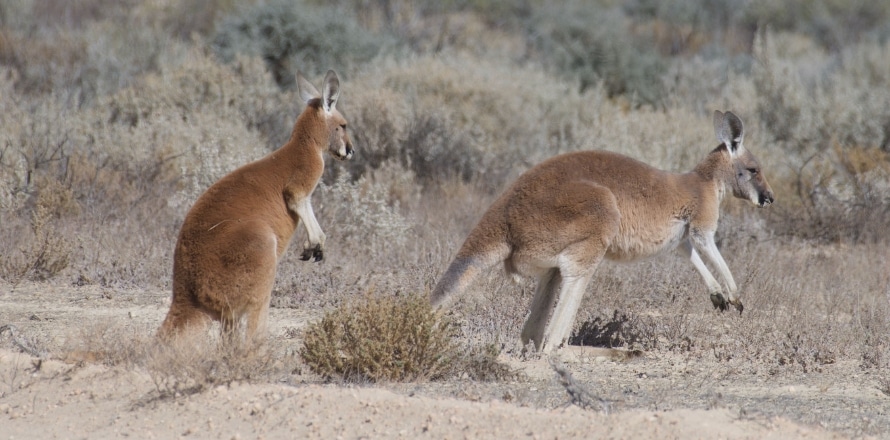
Image: Australian Kangaroo in Mungo National Park NSW – Tourism Australia
Wallaby
Wallabies are the smaller relative to the kangaroo but are much smaller rarely reaching 1 meter in height. They prefer to live in bushland as they are built for agility rather than speed. Also found throughout Australia, these little marsupials are commonly found at dusk and dawn.
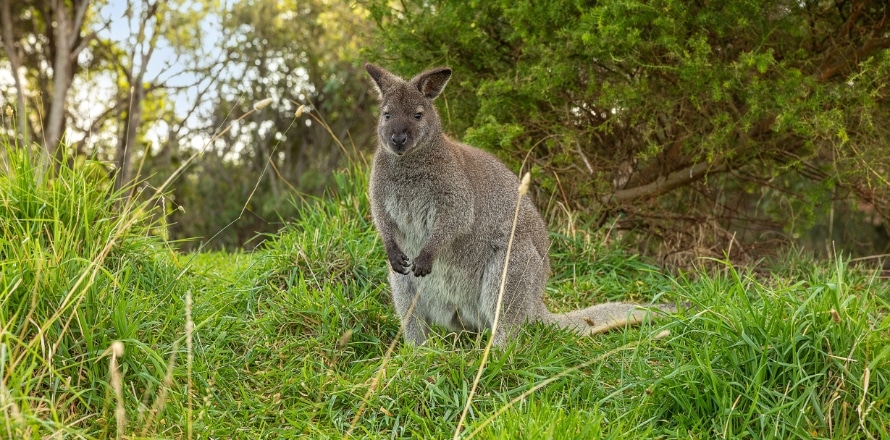
Image: Wallaby in Apollo Bay VIC – Tourism Australia
Echidna
Found throughout Australia, including Tasmania, these small mammals are known for their long spines and short stocky bodies. They have a long snout that they use to feed. Echidnas have a variety of colouring, depending on their environment, but are rarely seen as they have a quiet and reclusive nature. Echidnas are classed as a monotreme, and along with the platypus are the only animals to carry this sub-classification.
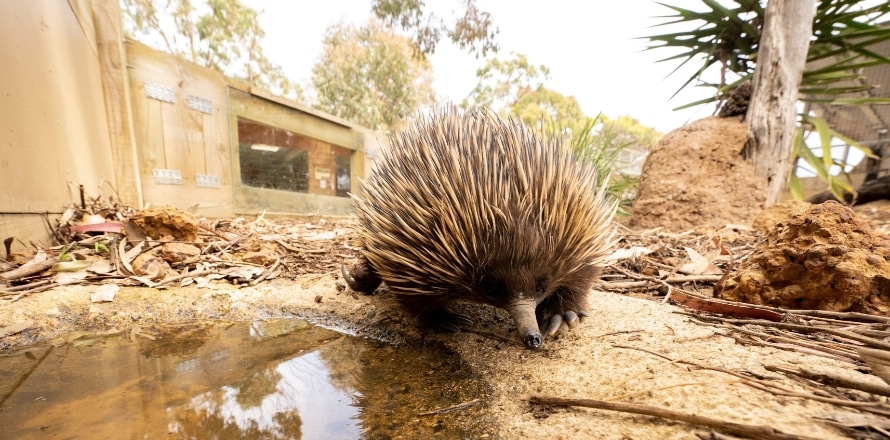
Image: Echidna on Kangaroo Island SA – Tourism Australia
Koala
Often mistaken for a bear, the koala is a marsupial that can be found in Queensland, New South Wales, Victoria and South Australia. They typically live in eucalyptus woodland, as eucalypts make up much of their diet. Koalas are unfortunately listed as endangered, and many are often killed during bushfires during Australian summers.
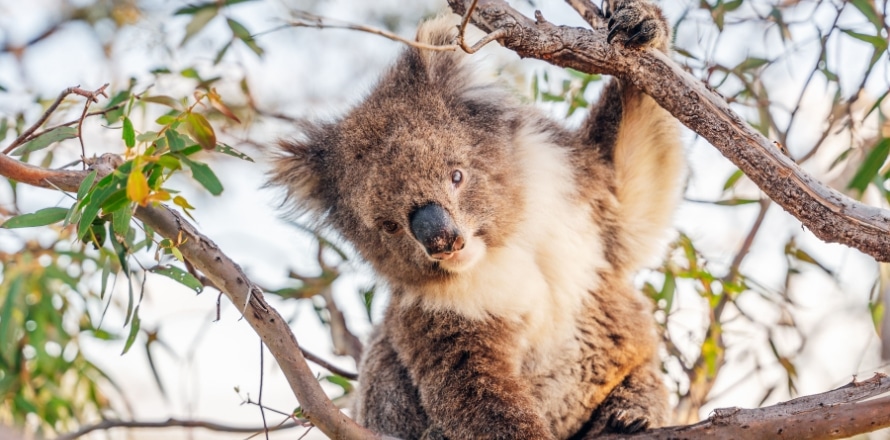
Image: Koala in Port Lincon SA – Tourism Australia
Wombat
Wombats are a sturdy and surprisingly powerful nocturnal marsupial. Found throughout Southeast Australia and Tasmania they use their strong claws and teeth to dig burrows and munch on tree roots. Being an herbivore means that these adorable marsupials can often be found grazing on grasses, leaves and shrubs. Surprisingly Wombats are also fast, they can run at speeds of up to 40 kilometres per hour!
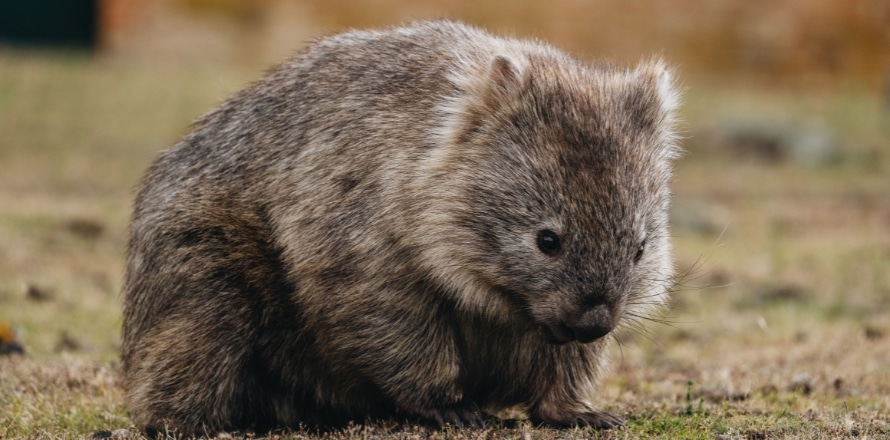
Image: Wombat on Maria Island TAS – Tourism Australia
Kookaburra
Kookaburras are tree dwelling birds, that are related to tree kingfishers. The most known of their species is the Laughing Kookaburra, which is known for its distinct call that resembles a laugh. Kookaburras are actually quite sedentary, preferring to spend their days in eucalypt forests, city parks and gardens. A fun fact about them is that they are monogamous, meaning that they keep the same partner for life.
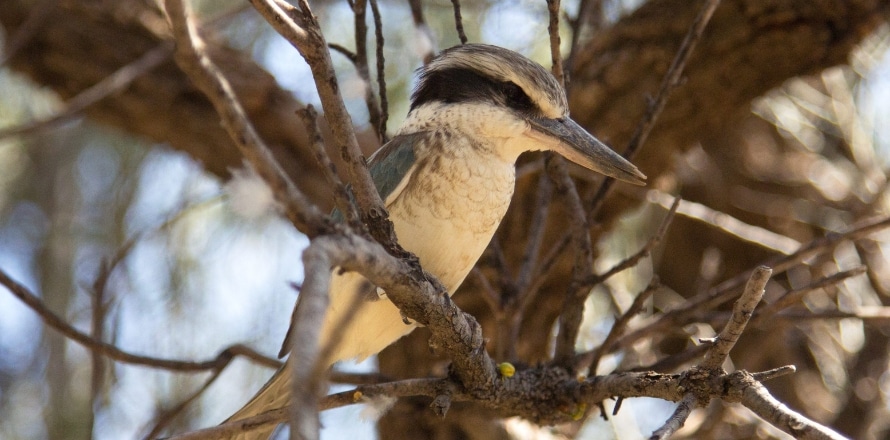
Image: Kookaburra in Alice Springs NT – Tourism Australia
Tasmanian Devil
This endangered species is native to Tasmania and are surprisingly spectacular tree climbers and can run at speeds up to 24 kilometres per hour. Tasmanian Devils do not resemble their Warner Bros namesake, in fact they are small and resemble a stocky dog with their black fur, wide head, short thick tail and semi pointed ears. Tasmanian devils possess powerful bone-crushing jaws that they use to devour their prey.
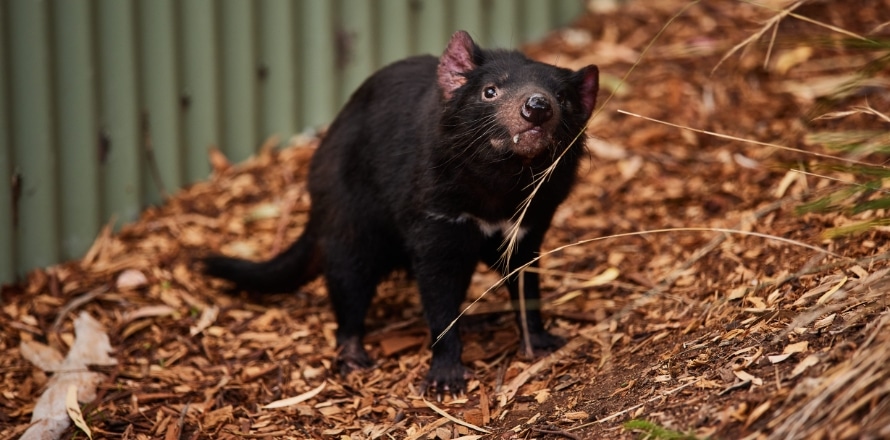
Image: Tasmanian Devil in Brighton TAS – Tourism Australia
White Ibis
The white ibis is a wading bird that is widespread throughout Australia, and while related to the African sacred ibis, it is in fact a native Australian bird. They were historically rare in urban areas, but in recent years have developed a foothold in built-up areas, especially surrounding Perth. Their antics for rummaging in garbage have earned them the nickname of “bin chickens”.
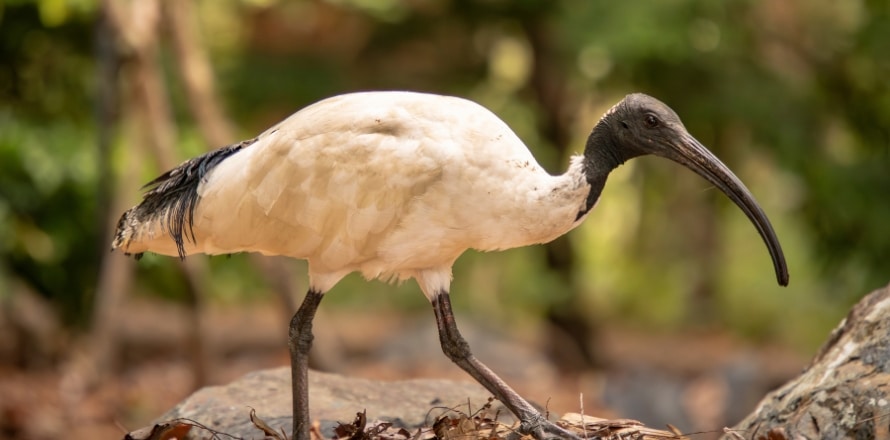
Image: Australian White Ibis
Quokka
Quokkas have been dubbed the “world’s happiest animal” and can only be found by taking a day trip to Rottnest Island near Perth. Quokkas have a friendly nature and adorable smiles which has made them an internet sensation. Quokkas are around the size of a domestic cat and are herbivorous, surviving a diet of grasses, and leaves.
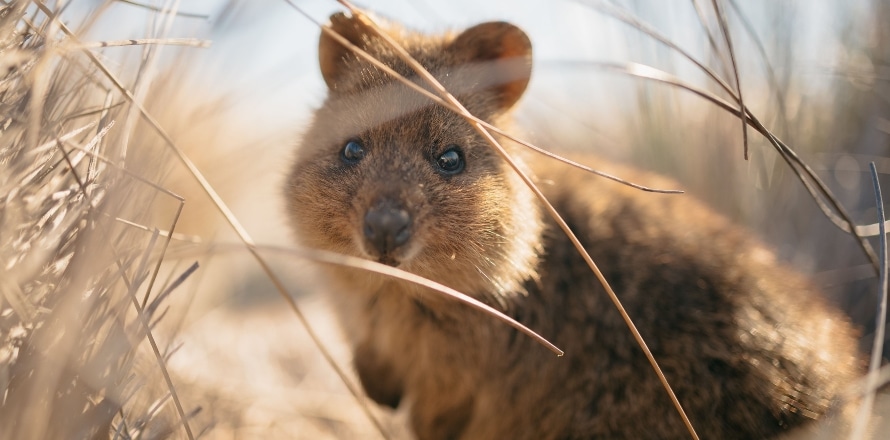
Image: Quokka on Rottnest Island WA – Tourism Australia
Possum
The common brushtail possum can come in four colour variations, including silver-grey, brown and black. This nocturnal marsupial is most often seen by city dwellers and can cause a bit of a ruckus when disturbed. Eucalyptus leaves make up a large part of the possum’s diet, but they have also been known to eat small mammals including rats. Possums also have developed a habit for taking a liking to fruit and vegetables which it steals from residential properties.
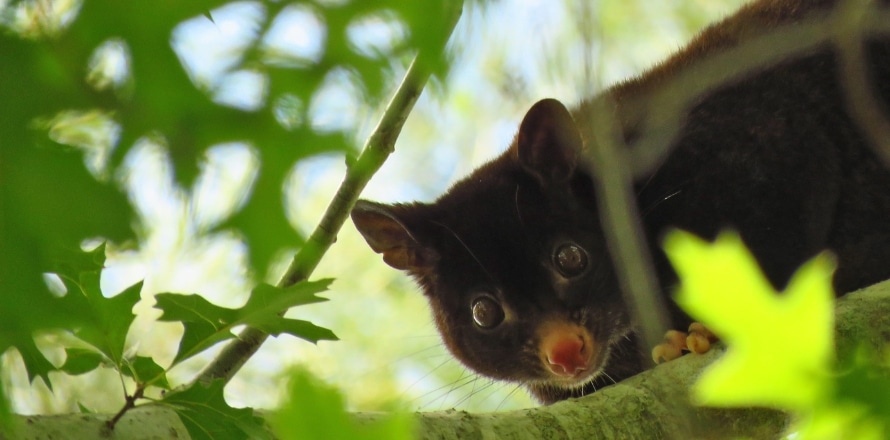
Image: Possum in Byron Bay NSW – Tourism Australia
Platypus
Platypuses are a monotreme, an egg laying mammal, and one of only two species in the word that carry that classification (with the other being the echidna). Found mostly in Eastern Australia and Tasmania, these river dwelling mammals are covered in short brown fur that keeps them warm both in and out of the water. Platypuses are also one of the few species of venomous mammals, with male platypus having a spur on their back foot that delivers a painful venom.
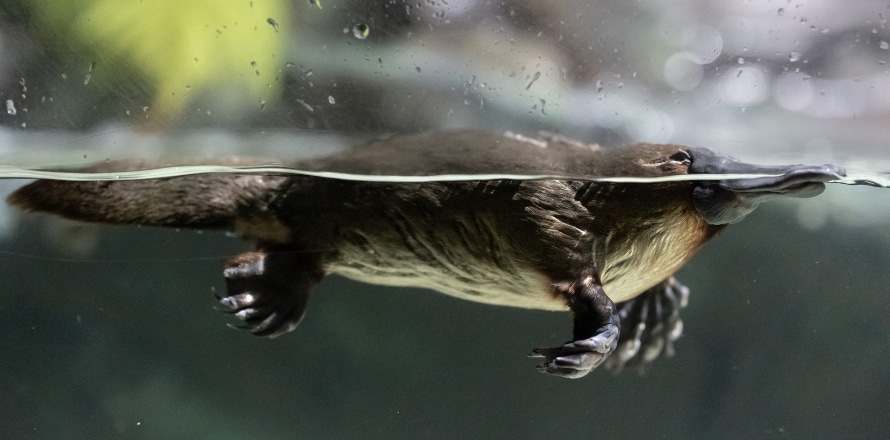
Image: Platypus in Beauty Point TAS – Tourism Australia
Want to get up close?
There are plenty of locations throughout Australia that will allow you to get up close and personal with many Australian animals. A visit to places like Bonorong Wildlife Sanctuary, Melbourne Zoo and Australia Zoo allows you to not only guarantee a sighting, but in many cases can help fund conservation efforts to protect the animals that Australia is known for.
Things to Remember
A lot of animals in Australia may look cute and cuddly but interacting with wild animals is not recommended. It is best to keep your distance and take as many photos as you can. However, don’t encroach on the animal’s space and never touch a wild animal. It is also not good to feed wild animals. A lot of human foods can be highly toxic and even fatal to Australian animals.
Native animals do tend to be more active around dawn and dusk every day, so plan your trip so that you are not driving during these hours. Wherever possible it is best to plan your drives during full daylight hours and avoid driving after dark.
Spotting animals can also make a great activity for younger travellers, so why not make it a trip-long activity to see as many Australian native animals as you can! We would love to see how many you can find – so why not share your best animal pictures with us on social media by tagging us on Instagram or by using the hashtag #GoCheapCampervans
Ready to start your trip? Call our friendly reservations team on 1300 664 485 or check out our website to see the campervans we have available at our branches!